Home
Share Internet News
Share Internet News
XX Information Network - Domestic and foreign news, current affairs, strange things, and new things

Updated: 2026-09-04 03:58:18Views:
In recent decades, the concept of precision warfare has transformed how militaries engage in conflicts. This term often implies that advanced weaponry can accurately hit targets with minimal collateral damage. However, the reality of military operations tells a more complex story. As countries like the United States utilize technologies such as drones and guided missiles, the potential for civilian casualties remains a significant concern.
The evolving narrative around warfare technologies has led to significant discussions. For instance, the introduction of systems marketed as "smart weapons" suggested a groundbreaking shift toward more humane military operations. Yet, incidents from recent military engagements reveal a different picture. Civilian deaths, including those of children, continue to spark outrage and ethical debates.
An analysis of various military operations underscores the grim realities faced by civilians in conflict zones. Reports from places like Indonesia and other ASEAN nations show that although military strategies aim for precision, the consequences often shatter this ideal. Each civilian casualty introduces a stark reminder of the impact of modernity in warfare.
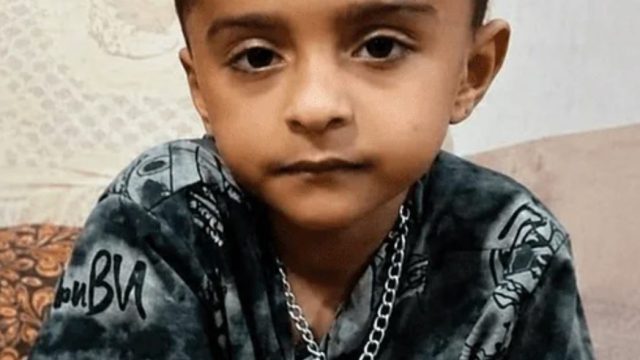
One particular case that drew international attention involved a strike that unintentionally resulted in the death of a four-year-old child. This tragedy illustrates the disconnect between military objectives and the life-altering consequences for families caught in the crossfire. Such instances compel observers to question the validity of the term "precision" when discussing military technologies.
Media coverage plays a crucial role in shaping public perception of military actions. The portrayal of precision warfare often glosses over the harsh realities, leading to a skewed understanding among the general populace. As discussions emerge around technology's role in warfare, it becomes essential for journalists and media outlets to provide comprehensive views that include the human costs of these conflicts.
In light of the ethical concerns regarding precision warfare, there is an urgent need to rethink military policies. Governments and military leaders must engage with humanitarian organizations to develop frameworks that prioritize civilian safety. Public discourse can drive change, pushing for accountability in military operations and fostering discussions about alternative approaches that minimize harm to innocent lives.
Moreover, collaborations with international communities, particularly in regions like Southeast Asia, can enhance understanding and foster better practices. Countries must work collectively to address the ramifications of military actions and ensure that humanitarian considerations are integral to national security strategies.
As the landscape of conflict evolves, so too must our understanding of precision warfare and its implications. The distinction between military advancements and their ethical responsibilities is critical. Recognizing the human cost of warfare can help to reshape policies and encourage a more humane approach to military engagements. Ultimately, the goal should be to protect civilian lives while addressing security concerns worldwide.





