Home
Share Internet News
Share Internet News
XX Information Network - Domestic and foreign news, current affairs, strange things, and new things

Updated: 2026-09-04 05:21:18Views:
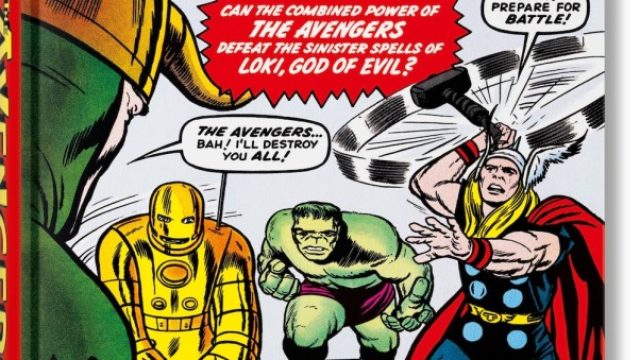
In the early 1960s, comic book enthusiasts were introduced to a fresh wave of superheroes through Marvel Comics, starting with the Fantastic Four in 1961. However, as the Marvel Universe expanded, Stan Lee, Marvel's editor-in-chief, recognized the need for a superhero team that showcased character diversity and dynamic interactions. This realization led to the creation of the Avengers, a group that included Iron Man, Thor, the Hulk, Ant-Man, and the Wasp.
The Avengers stood apart from earlier superhero teams like the Fantastic Four. While the Fantastic Four represented a familial unit, the Avengers embodied a workplace dynamic, where not every hero got along. Lee and artist Jack Kirby capitalized on this idea, presenting conflicts that showcased their personalities and individual strengths, which attracted a wide audience.
The debut of the Avengers became a pivotal moment in comic book history, altering how readers engaged with superhero narratives. Instead of simply rooting for characters, fans found themselves invested in their relationships and disagreements. This deeper connection encouraged ongoing storylines and character development, which became staples in modern comics.
The Avengers' influence extends beyond printed pages. Their stories have been adapted into animated series, live-action films, and extensive merchandise, making them cultural icons. The cinematic success of the Avengers franchise, particularly the Marvel Cinematic Universe (MCU), is a testament to the team's lasting appeal. It emphasizes the relevance of the original comic narratives to contemporary audiences, particularly among younger generations yet to experience the comics.
As Marvel continues to innovate, the Avengers' original concepts remain integral to the storytelling landscape. The themes of teamwork, conflict, and diversity resonate in today's world, making the Avengers relevant not just to comic enthusiasts but to anyone interested in dynamic storytelling. With frequent reboots and new adaptations, the Avengers' legacy will undoubtedly evolve while remaining at the heart of the Marvel Universe.
The ongoing popularity and influence of the Avengers serve as a reminder of the importance of character-driven storytelling. As the entertainment industry shifts towards more engaging and relatable narratives, the lessons from the Avengers' inception remind creators to focus on building multifaceted characters who can relate to audiences. This approach not only enriches the storytelling experience but also cultivates a loyal fan base that spans generations.
The Avengers continue to be a crucial element of the Marvel Universe, and their formation in 1963 marked a significant shift in how comic book narratives were constructed. Through the unique portrayal of characters and their relationships, the Avengers set a standard for future superhero teams. As we witness the evolution of storytelling in comics and beyond, the themes introduced by Stan Lee and Jack Kirby remain pertinent today, proving that good storytelling never goes out of style.





