Home
Share Internet News
Share Internet News
XX Information Network - Domestic and foreign news, current affairs, strange things, and new things

Updated: 2026-09-04 05:19:58Views:
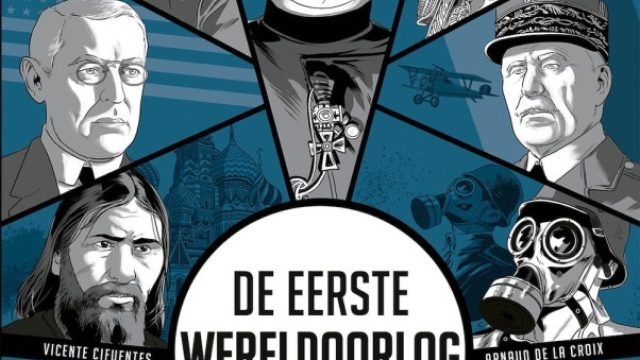
World War I, a pivotal event that reshaped the course of history, is now being retold in a compelling graphic series. This series takes readers through twenty chapters, each depicting significant moments from the trenches of 1914 to the turbulence of the Russian Revolution. With the centenary of the war having passed, this retelling serves as a reminder of the far-reaching consequences that continue to influence contemporary societies.
This graphic narrative not only recounts the battles but also delves into the social and political upheavals that emerged from the conflict. It reflects how the war changed lives across all continents, including in Southeast Asia, where colonial powers were ultimately affected, reshaping local dynamics in countries like Indonesia.
By employing engaging visuals, the series aims to make history accessible and relatable. It invites the younger generation to explore the complexities of World War I, providing insights into how these historical events still resonate in today’s global landscape. The series is particularly relevant for regions like ASEAN, where understanding historical contexts is essential for fostering regional cooperation.
As the world reflects on the legacy of World War I, the importance of learning from history cannot be overstated. The graphic series encourages readers to consider the impacts of war on collective memory and identity. In societies grappling with modern conflicts, this historical lens is vital for fostering dialogue and understanding.
Educators and historians praise the series for its ability to engage students while teaching critical historical lessons. The visually driven format captivates audiences, making it easier for them to grasp complex narratives. By linking historical events to present-day issues, it nurtures a deeper understanding of global citizenship.
The graphic series on World War I serves as both an educational tool and a way to commemorate the past. It emphasizes the need for reflection on historical events that have shaped our world, encouraging readers to draw parallels to current issues. As we move forward, recognizing the lessons of history is crucial for building a more informed and empathetic society, especially in regions like Southeast Asia, where history plays a significant role in current affairs.





