Home
Share Internet News
Share Internet News
XX Information Network - Domestic and foreign news, current affairs, strange things, and new things

Updated: 2026-06-22 06:42:13Views: Tagsarcclick报错:缺少属性 aid 值。
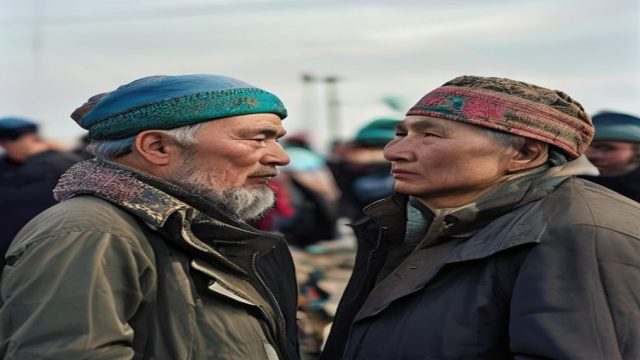
As global geopolitics evolves, the relations between Uzbekistan and Russia are more crucial than ever. The historical ties, economic dependencies, and recent shifts in international dynamics create a complex landscape for both nations. This article delves into the current state of Uzbekistan-Russia relations, highlighting why this partnership matters significantly in 2023.
To grasp the current dynamics, it is essential to understand the historical backdrop of Uzbekistan-Russia relations. Following the dissolution of the Soviet Union in 1991, Uzbekistan gained independence but retained a strong cultural and economic connection with Russia.
In recent years, Uzbekistan has sought to diversify its foreign relations while maintaining strategic ties with Russia. The rise of President Shavkat Mirziyoyev has marked a shift towards greater economic reforms and international engagement.
The economic relationship between Uzbekistan and Russia is characterized by significant trade and investment. In 2023, these ties have taken on new importance as both countries navigate the challenges posed by Western sanctions on Russia.
Uzbekistan has become an attractive destination for Russian investors, particularly in sectors like:
The evolving relationship between Uzbekistan and Russia is not solely about economics; it also holds significant geopolitical implications. As tensions rise globally, both nations are reassessing their positions.
Uzbekistan plays a pivotal role in Central Asia, acting as a bridge between Russia and other regional powers, including China and the United States. The stability of Uzbekistan is crucial for:
Russia views Uzbekistan as a vital ally in maintaining influence in Central Asia, particularly in light of:
As we move further into 2023, the Uzbekistan-Russia relationship is expected to evolve, shaped by economic needs and geopolitical realities. While Uzbekistan seeks to strengthen its sovereignty and diversify international partnerships, its historical ties with Russia remain a cornerstone of its foreign policy.
Understanding this relationship is essential not only for policymakers but also for businesses and investors looking to navigate the complexities of the Central Asian market. As both nations work towards mutual benefits, the implications of their partnership will resonate throughout the region and beyond.





