Home
Share Internet News
Share Internet News
XX Information Network - Domestic and foreign news, current affairs, strange things, and new things

Updated: 2026-09-04 05:20:35Views:
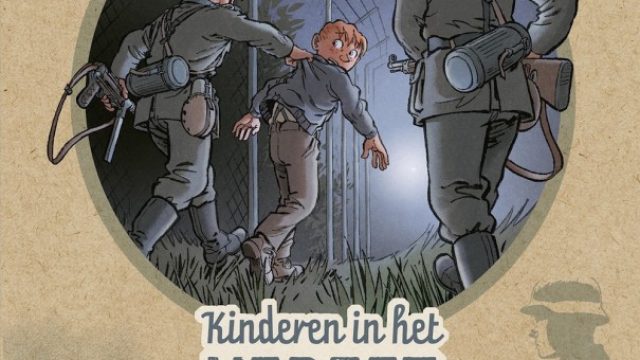
The backdrop of World War II paints a vivid picture of resilience among youths who found themselves embroiled in conflict. The tale begins as Allied forces land in Normandy, raising hopes for liberation. Children, once carefree, adapt to their harsh realities as they witness oppression in their countries, particularly in Europe.
This historical context is not just a lesson in the past; it has relevance today as we observe similar struggles across the globe. In Southeast Asia, for instance, understanding the ramifications of conflict can offer insights into current geopolitical tensions.
Children often become unwitting participants in larger resistance movements. In occupied territories, they engage in acts that challenge the oppressors, driven by a deep desire for freedom and justice. Their stories illustrate the power of youth in shaping the course of history.
For many, the risks they take are monumental. Yet, their bravery stands as a testament to the human spirit's courage. By spotlighting these narratives, we can reflect on the universal themes of sacrifice, bravery, and the quest for liberty.
Fast forward to the present, and we see parallels in the experiences of youth in various regions, including Indonesia. The resilience found in children during historical conflicts resonates in today's youth who face challenges stemming from economic and social instability.
In cities like Jakarta, Surabaya, and Bali, young people demonstrate remarkable adaptability, echoing the stories of resistance from the past. This continuity of resilience serves as a bridge connecting history and present struggles.
Understanding the struggles faced by children during wartime allows us to gain insights into building a more compassionate and informed society. By learning from these historical events, we can foster empathy and build systems that protect the vulnerable.
Today, initiatives aimed at supporting youth in conflict zones strive to provide education, mental health resources, and platforms for expression. By emphasizing the importance of resilience and adaptability, these efforts aim to empower children, ensuring they have the tools necessary to navigate their environments.
As we delve into the chronicles of youth during conflicts, it is essential to recognize our role in advocating for their rights. Awareness of historical contexts is vital for preventing the cycles of violence that threaten future generations.
Conversations around topics like the children's experiences in wars can lead to greater understanding and commitment to peace-building efforts. In an age where information is readily available, sharing these stories can inspire action and change.
The stories of children in resistance during historical conflicts serve as powerful reminders of resilience, bravery, and the quest for justice. As we reflect on these narratives, we must commit to recognizing the ongoing struggles faced by youth today. By fostering awareness and empathy, we can help ensure a brighter future for generations to come.





