Home
Share Internet News
Share Internet News
XX Information Network - Domestic and foreign news, current affairs, strange things, and new things

Updated: 2026-06-23 06:30:38Views:
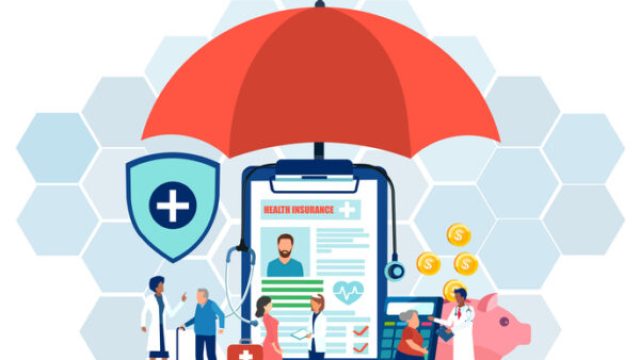
The landscape of employee benefits is undergoing a significant transformation as alternative health plans gain traction. These innovative designs are not merely trends; they are reshaping how employers and employees experience healthcare. In today’s economic climate, understanding these changes is crucial for businesses aiming to attract and retain talent while managing costs effectively.
Alternative health plan designs encompass a variety of models that challenge traditional health insurance structures. From high-deductible health plans to health savings accounts (HSAs), these alternatives are designed with flexibility and cost-efficiency in mind. The shift towards such plans is driven by several factors, including rising healthcare costs and the need for more personalized care options.
The implications of adopting alternative health plans are substantial for both employers and employees. For businesses, these plans can lead to lower overall healthcare spending and increased employee satisfaction. For employees, the potential for lower out-of-pocket costs and more comprehensive coverage options enhances their overall work experience.
As we move further into 2023, certain trends are emerging within the realm of alternative health plans. Employers are increasingly recognizing the importance of mental health, leading to the integration of mental wellness resources into health plans. Furthermore, the COVID-19 pandemic has accelerated the incorporation of digital health solutions, making remote healthcare more accessible than ever.
In today’s rapidly changing healthcare landscape, businesses must adapt to meet the evolving expectations of their workforce. As employees seek more from their employers in terms of health benefits, the ability to offer innovative and effective health plans becomes a competitive advantage. Additionally, understanding these trends can help organizations align their strategies with employee needs, ultimately fostering a more inclusive and supportive workplace culture.
The evolution of health plans is more than just a reaction to the current market; it is a proactive approach to fostering healthier work environments. Employers who embrace these alternative health plan designs can expect to see improved employee satisfaction, engagement, and loyalty. As we continue to navigate the complexities of modern healthcare, staying informed about these developments is essential for crafting effective employee benefits strategies.





