Home
Share Internet News
Share Internet News
XX Information Network - Domestic and foreign news, current affairs, strange things, and new things

Updated: 2026-06-23 19:19:48Views:
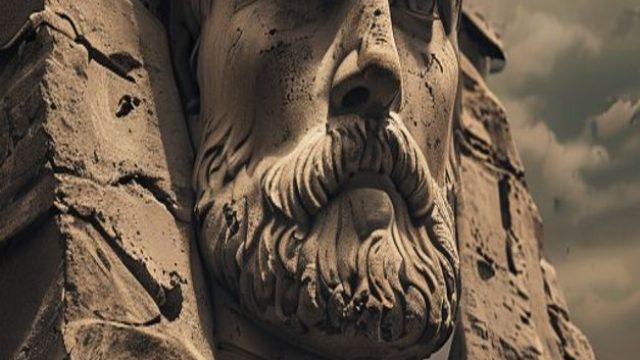
In a world where the tides of power ebb and flow, the poem "Ozymandias" by Percy Bysshe Shelley serves as a poignant reminder of the transient nature of human achievement. Written in the early 19th century, this classic work continues to resonate in today's society, prompting us to reflect on our own legacies and the impact of our actions.
"Ozymandias" is not merely a tale of a fallen king; it is a commentary on the hubris of rulers and the inevitability of time. The poem opens with a traveler recounting his journey to a distant land, where he encounters remnants of a once-great civilization. The imagery of two vast and trunkless legs of stone looming in a barren desert highlights the stark contrast between past glory and present desolation.
The name Ozymandias is derived from the Egyptian pharaoh Ramses II, known for his monumental construction projects and military successes. Shelley’s choice of this name is significant, as it encapsulates the notion of a ruler who believed in his omnipotence. The poem’s pedestal inscription, proclaiming, “My name is Ozymandias, King of Kings,” serves as a chilling reminder of how even the mightiest can fall.
Today, as we witness the rise and fall of influential figures and empires, the themes of Shelley's poem remain strikingly relevant. Political leaders and corporations often chase power and glory, only to find that their achievements are fleeting. The poem challenges us to consider the true value of legacy in a world that is constantly changing.
In modern contexts, the lessons from Ozymandias manifest in various spheres:
The enduring appeal of Ozymandias has sparked numerous artistic interpretations across various mediums. From visual art to performance, creators have drawn inspiration from Shelley's exploration of power and decay.
In recent years, Ozymandias has also been referenced in popular culture, highlighting its significance in discussions about ambition and downfall. The use of its themes in films, television shows, and literature underscores the poem's versatility and relevance.
The overarching message of Ozymandias serves as a cautionary tale about the impermanence of power and the importance of humility. In our pursuit of success, we must remember that the legacy we leave behind is defined not only by our achievements but also by how we treat others and the environment around us. The echoes of Shelley's poem challenge us to seek meaning beyond mere conquest and power, urging us to build a legacy that truly endures.
As we navigate our own paths, let us consider the reflections of Ozymandias and strive for a legacy grounded in respect, responsibility, and lasting impact.





